
READ
An Education Development Project
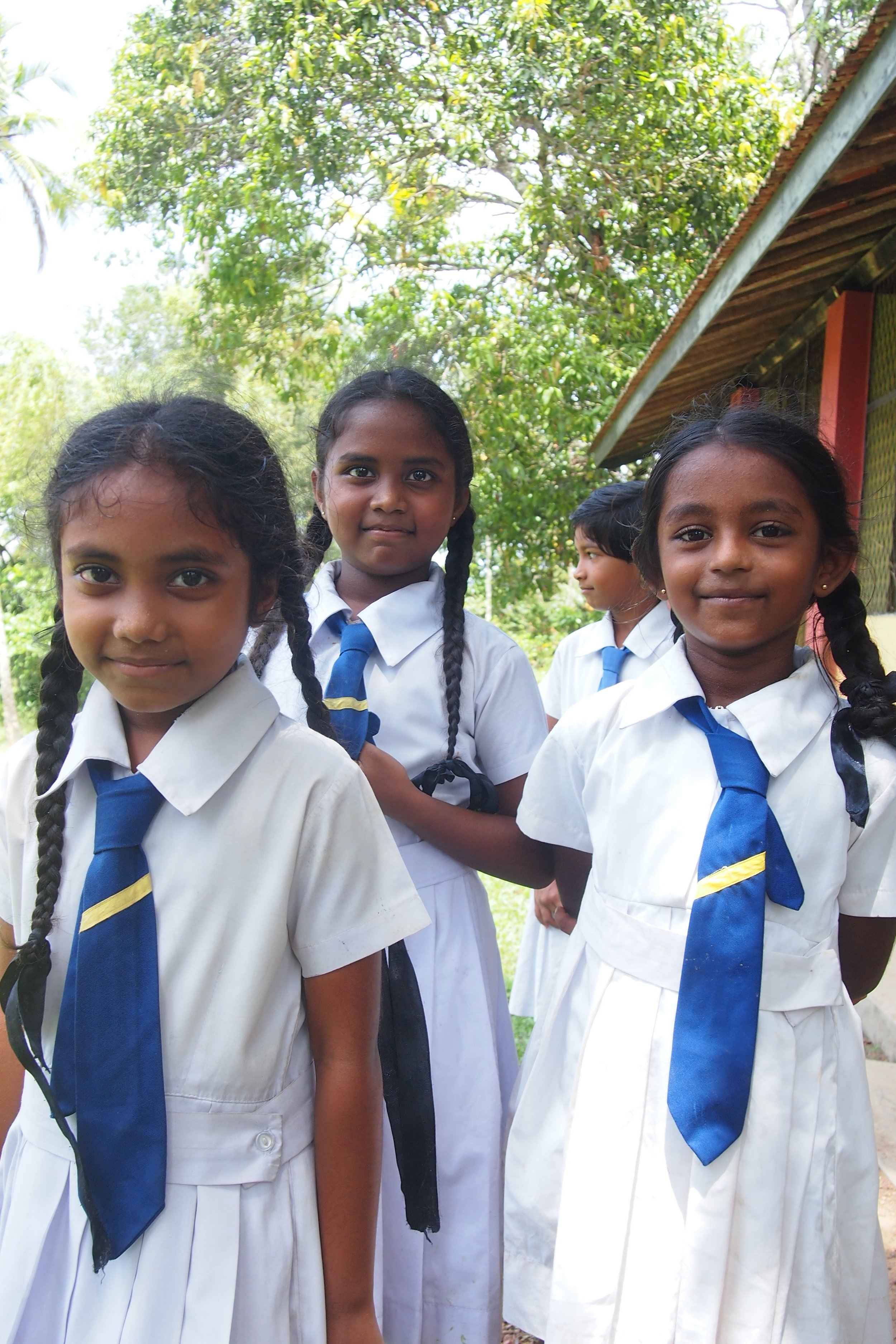
Many children in rural Sri Lanka lack access to quality education. They often drop out of school before age 10 and start working to contribute to the family income. However, this limits their prospects of breaking out of a cycle of poverty.
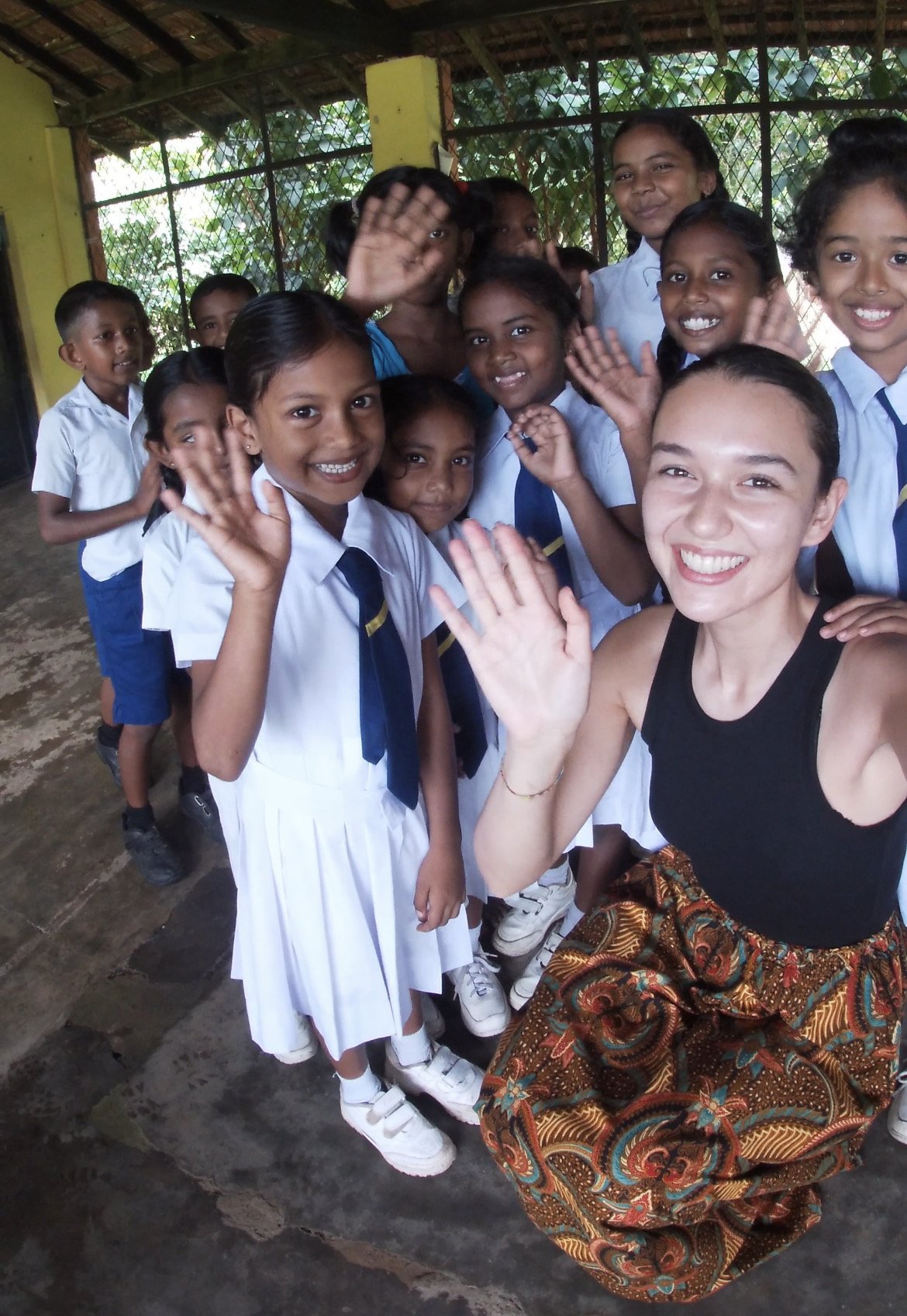
Our initiative, Rural Education and Development (READ), is a grassroots project that focuses on increasing the accessibility and contributing to the quality of education for children in impoverished rural communities of Sri Lanka.

Sri Lankan children are affected by the economic crisis

Average monthly income of a household of the children we support

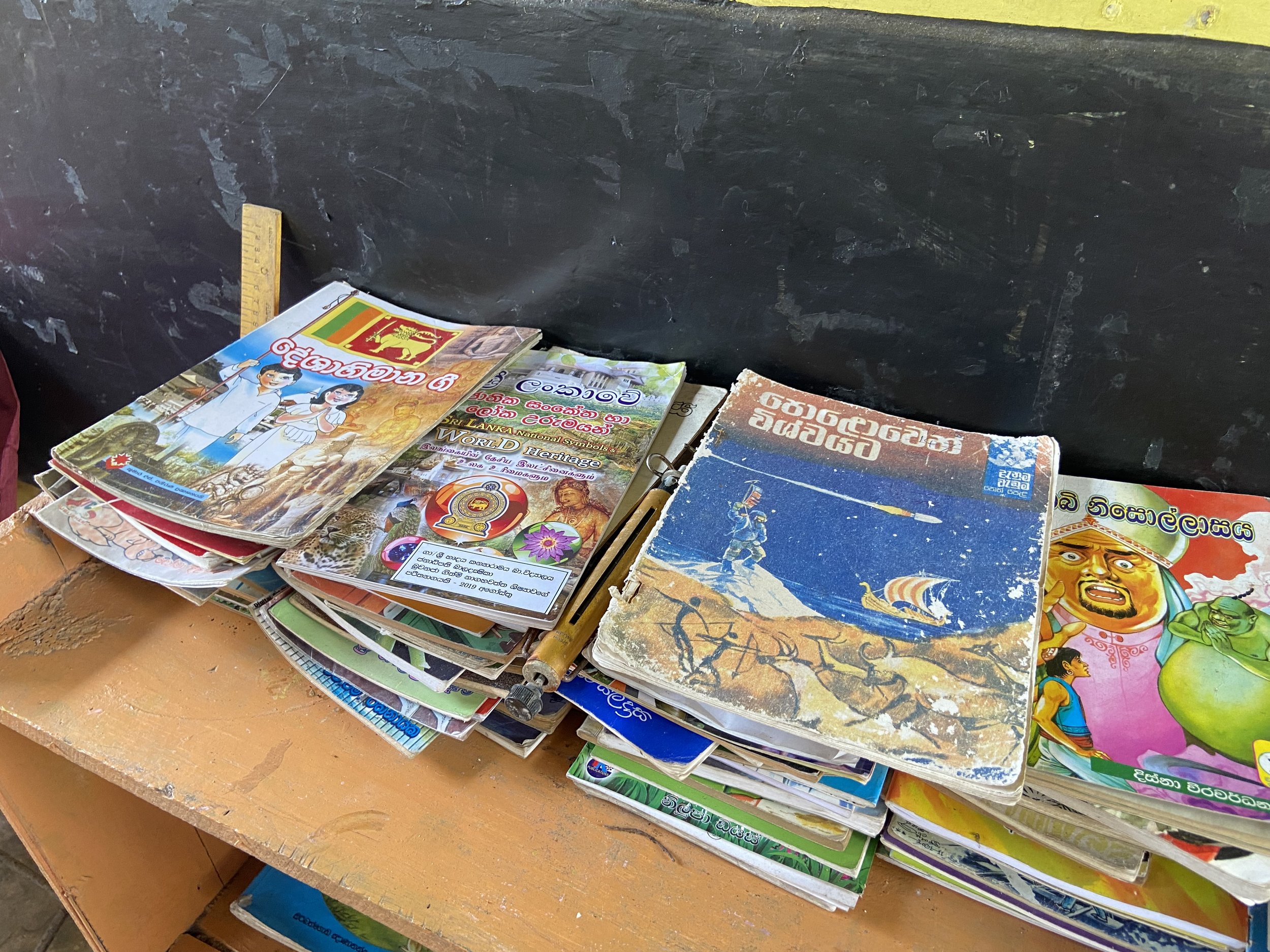
Children lack access to basic clothing, hygiene and school supplies
“We discovered that some teachers were bringing home-cooked meals to school to feed undernourished students.”

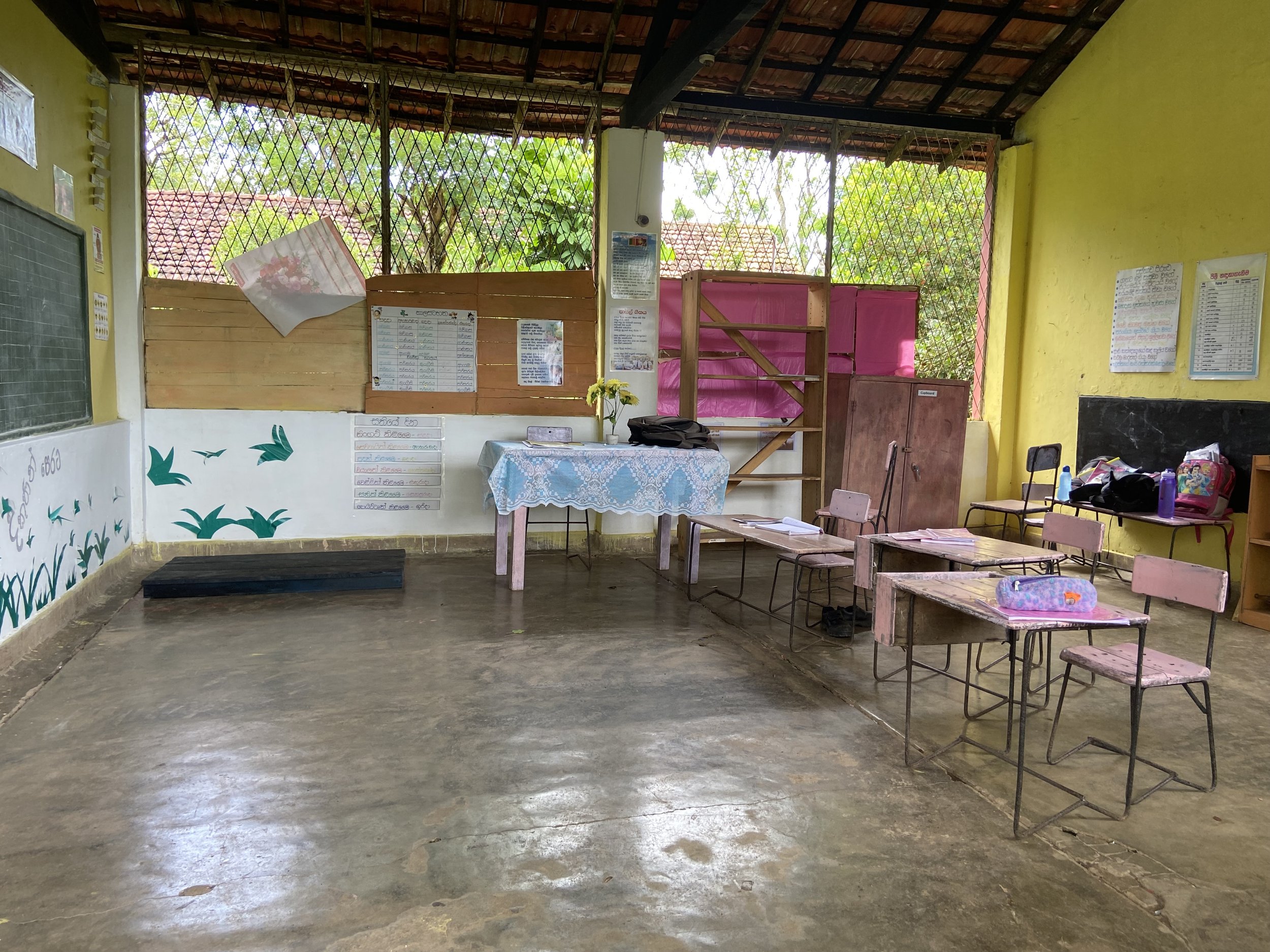
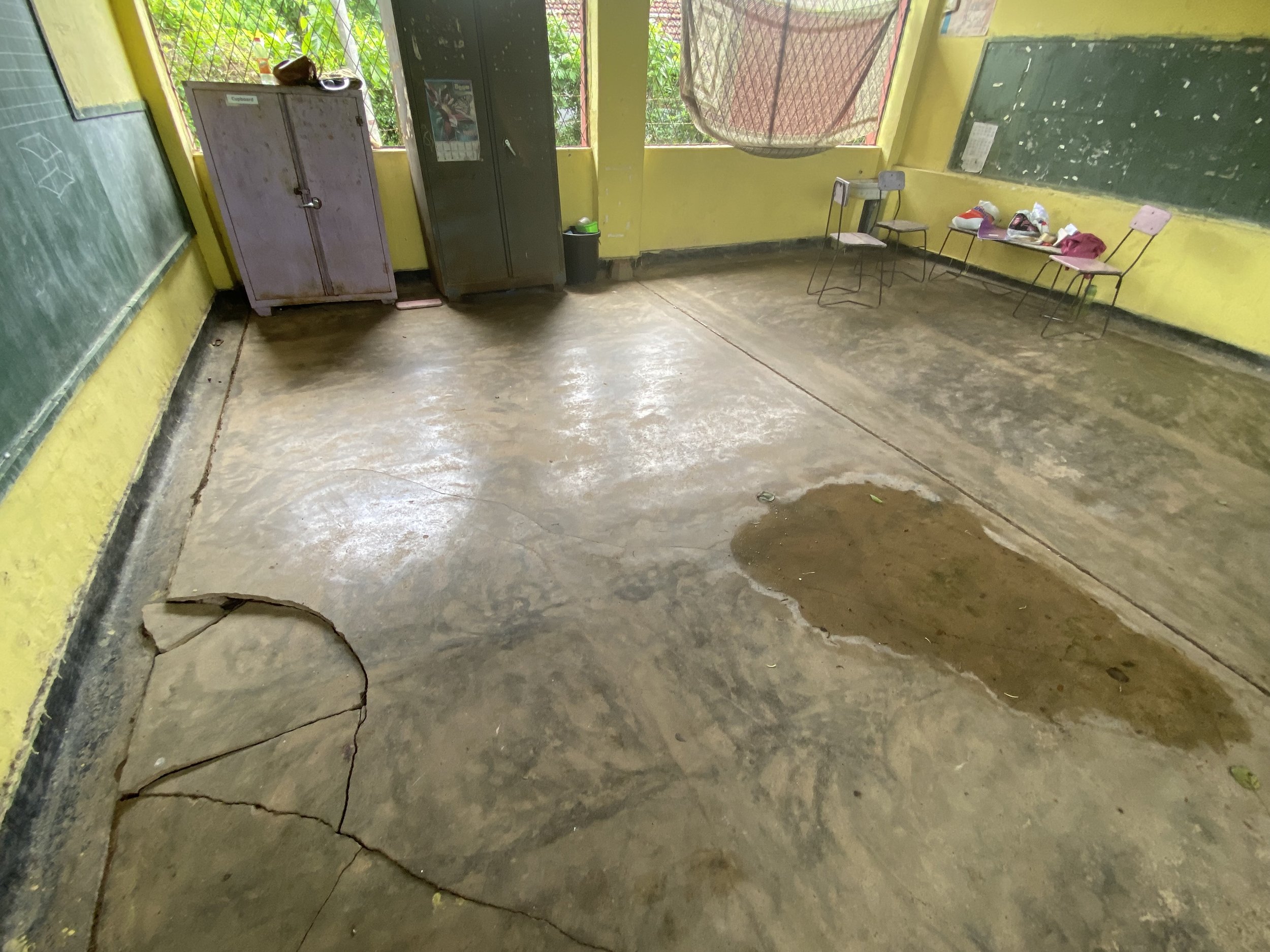
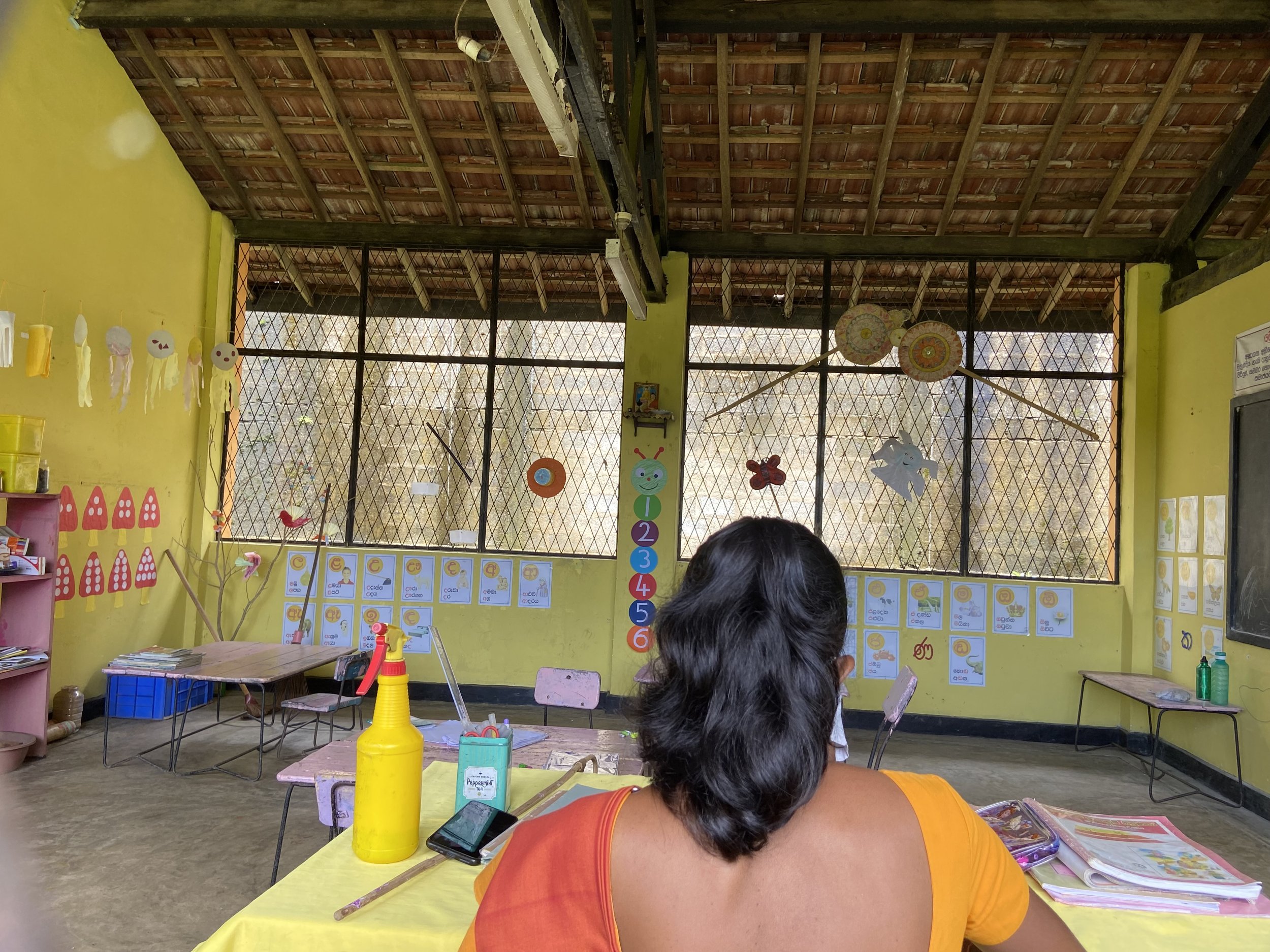
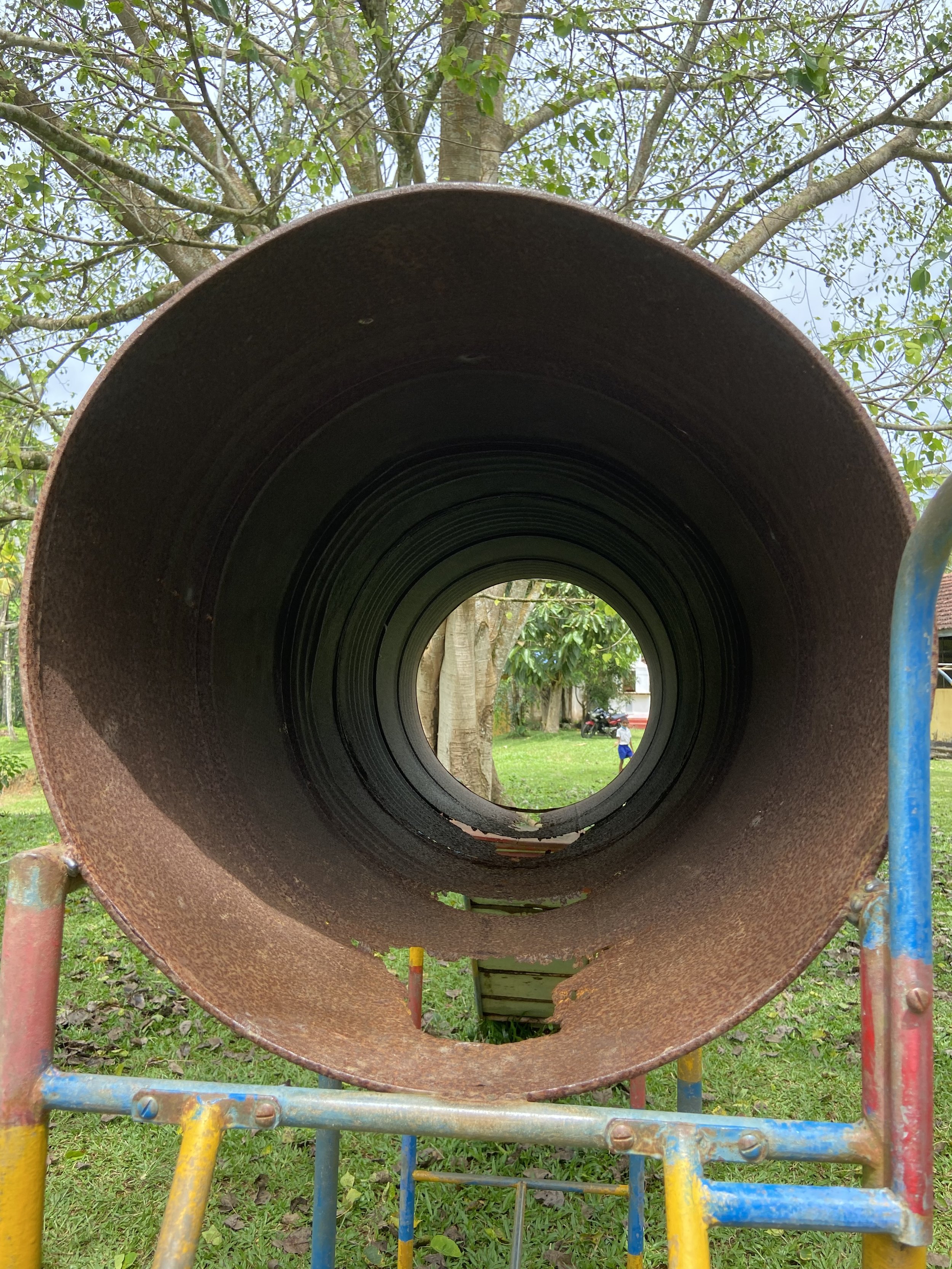
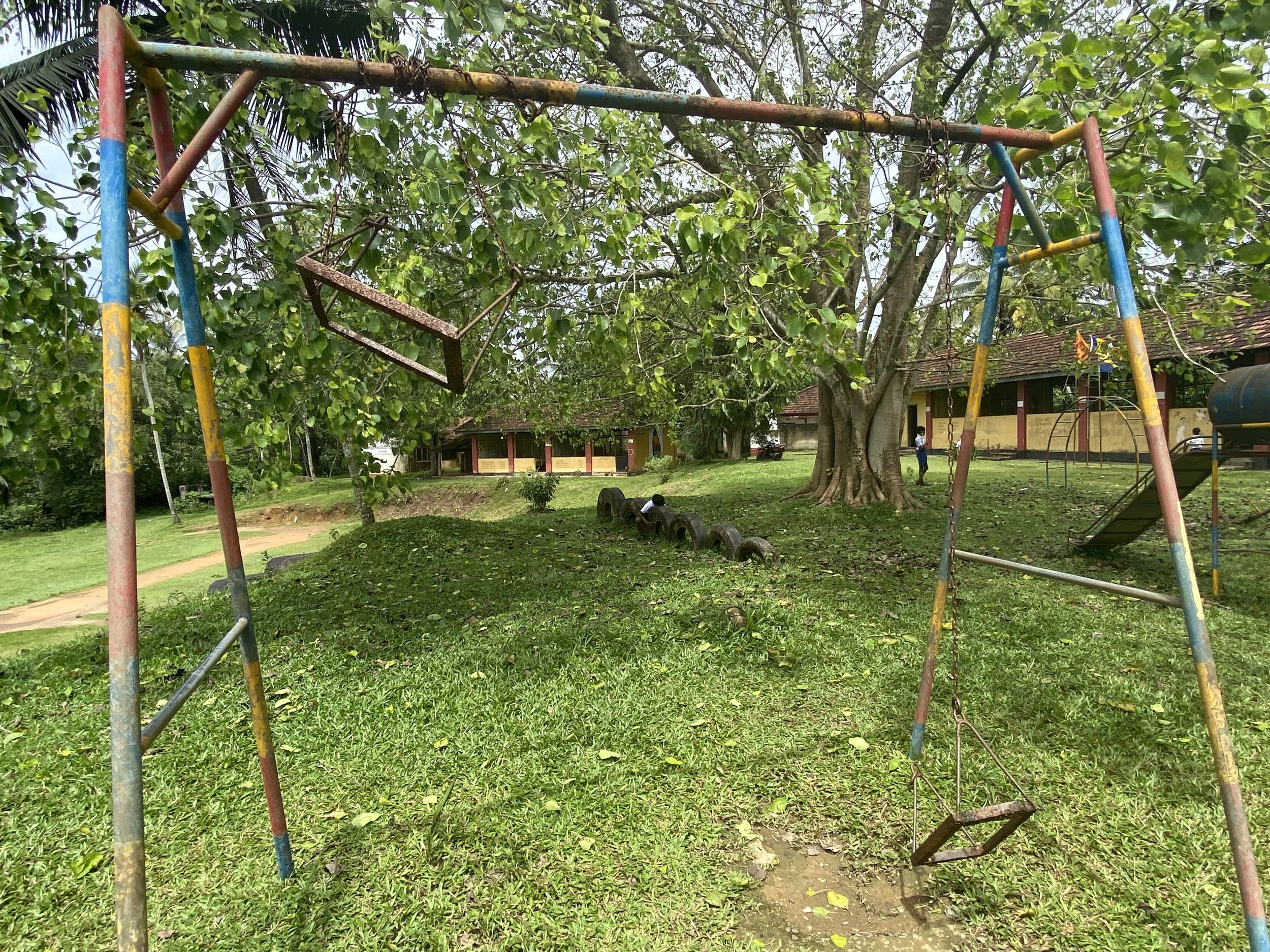
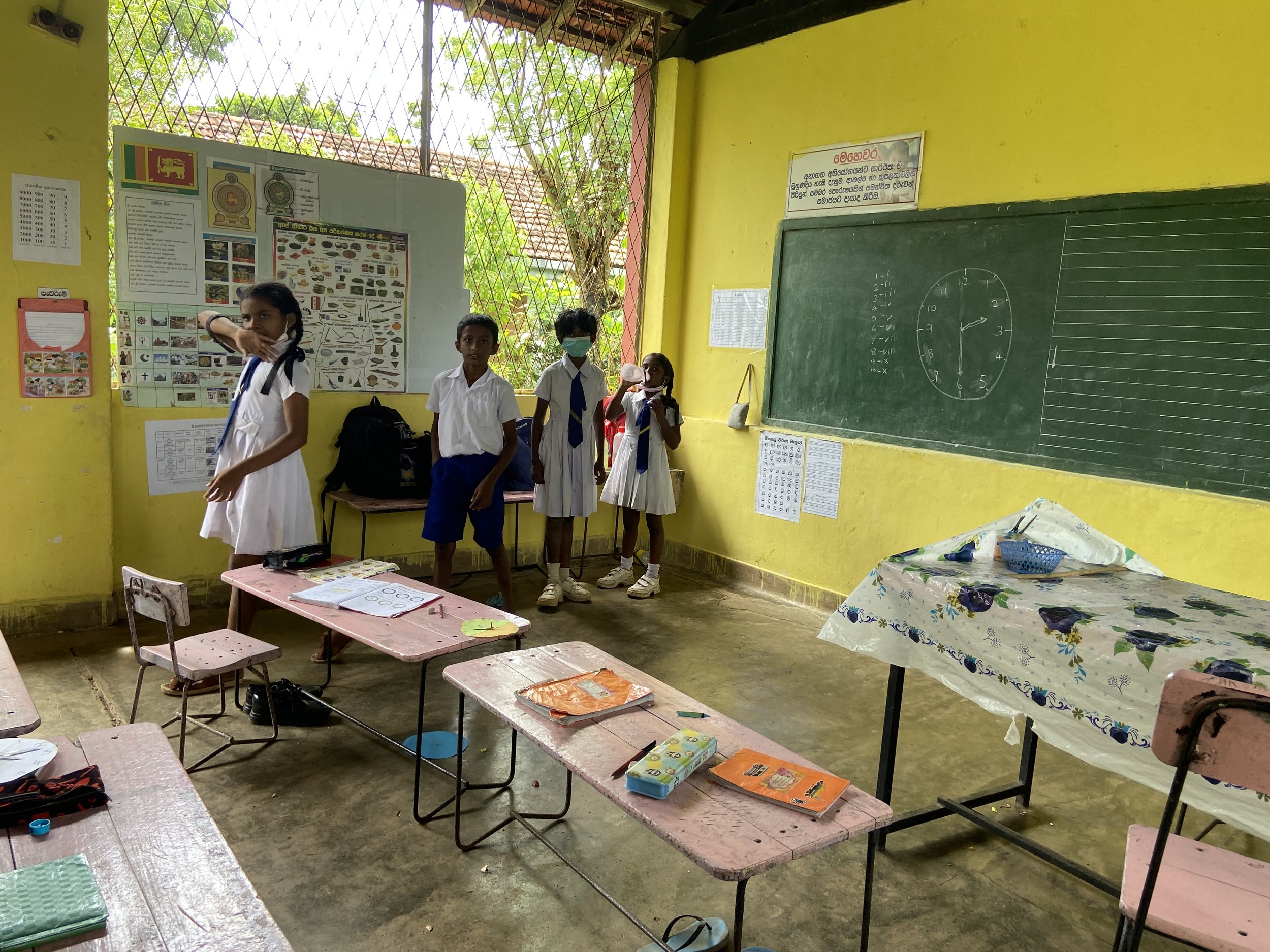
The school we support through READ is located in a rural area near Galle, where government neglect has left it in a dire state. None of its students pass the exam to continue their education beyond grade 5. The building is dilapidated, the teachers are overworked, and the students lack both financial and emotional support. Despite these challenges, the school remains a crucial safe space for children who come from low socio-economic backgrounds, offering them a break from the hardships they face at home.
With READ, we are committed to turning this situation around. We aim to provide scholarships to the students, restore the school building, lighten the burden on teachers, and provide other resources students need to be able to thrive. This includes not just textbooks and supplies but also support programs that extend to the families, ensuring the students have a stable environment both at school and at home.
GOALS OF READ
We selected Panagamuwa Amarasinghe K.V. Primary School to be the first of many schools we hope to implement in our READ project. Based on the results of our research, we will be addressing multiple factors that negatively impact the children’s access to quality education. The implementation will be carried out in 3 phases.


Our Three Pillars of Impact
At the heart of the Rural Education and Development (READ) project are three core pillars that guide our work. Together, these pillars strengthen the entire learning ecosystem around each child, from financial access to quality teaching and supportive home environments. Rather than isolated interventions, our approach focuses on sustainable, community-driven change that empowers children to thrive in school and beyond.

Pillar 1: Access to Education
Since September 2023, we have provided scholarships to all students of the partner school, ensuring that financial barriers do not prevent children from accessing education. These scholarships help cover essential school-related costs such as supplies, uniforms, and other learning needs, allowing students to attend school consistently and participate fully in their education.
By supporting every student, we aim to create equal opportunities for learning and reduce the risk of school dropout due to financial hardship.
No child should be left behind because of poverty.
Pillar 2: Quality Teaching
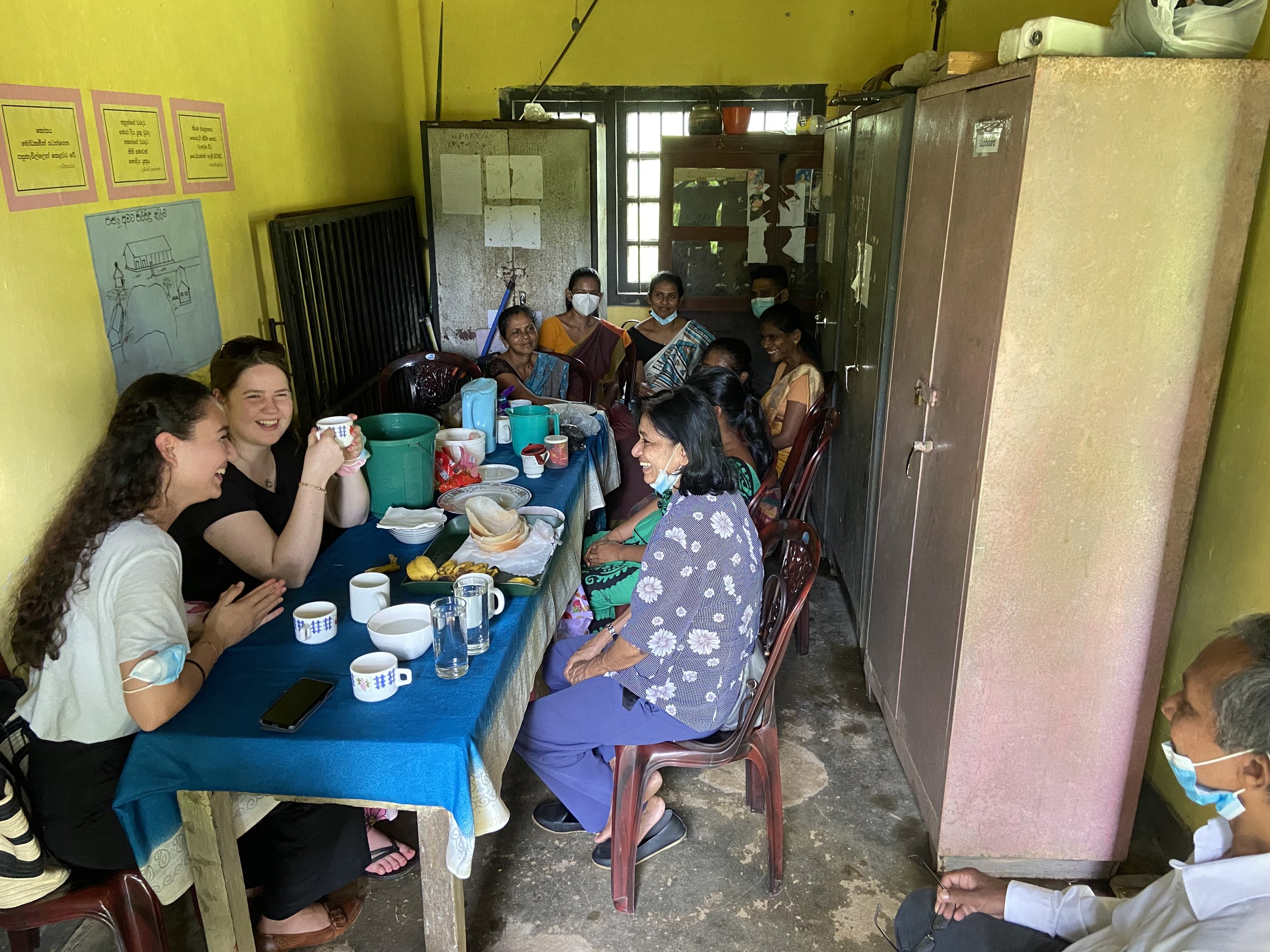
Teachers play a critical role in creating safe and supportive learning environments for children. Through our SERPENT project, we have provided training for teachers on snake bite envenoming, including how to prevent incidents, recognise symptoms, and respond effectively in emergencies. This training helps improve the safety of students and staff, particularly in rural environments where snake encounters can pose real risks.
In addition to professional development, we provide end-of-year bonuses to teachers in recognition of their hard work and dedication. By supporting and valuing educators, we aim to strengthen motivation, stability, and the overall quality of education within the school.
Strong teachers create safe schools and better learning outcomes for every child.

Pillar 3: School & Community Support
Creating a supportive learning environment goes beyond the classroom. Our third pillar focuses on improving the overall school experience for students and strengthening the broader school community. While planned renovations on the school site have been delayed due to pending government approvals, we have continued to support the school in practical and meaningful ways.
So far, we have:
Funded a school trip for students
Supported school celebrations and community events
Donated essential teaching and learning materials
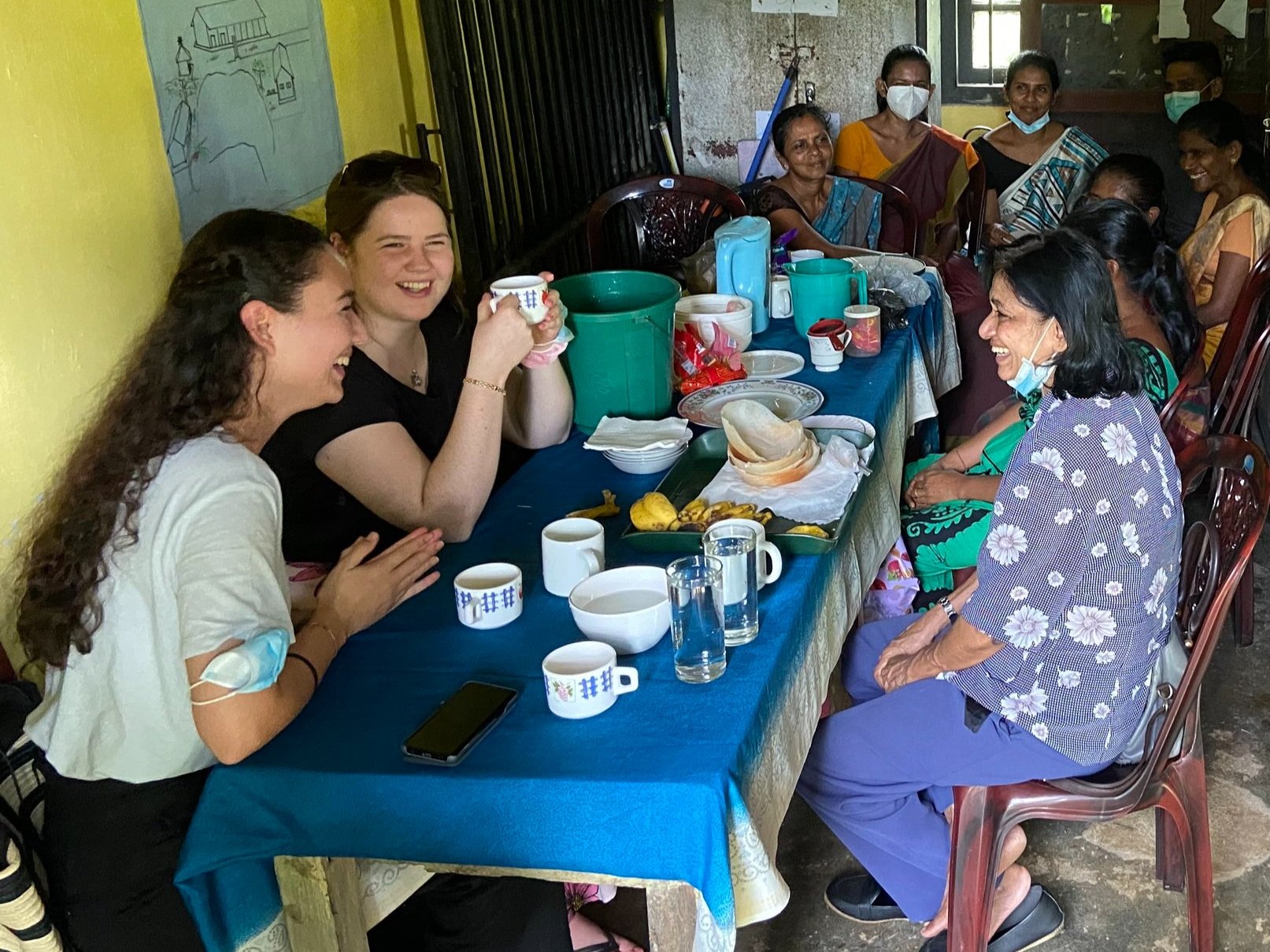
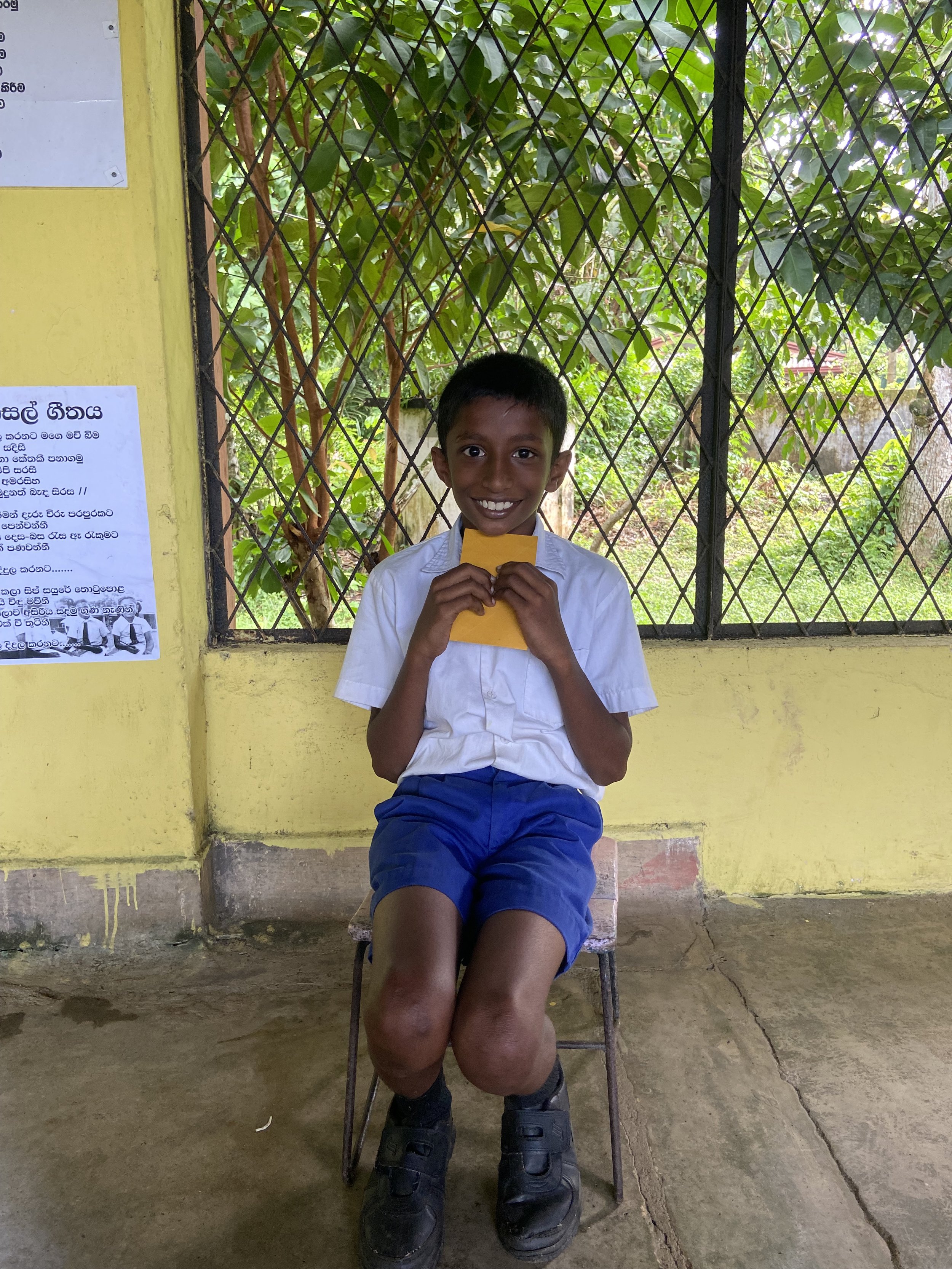
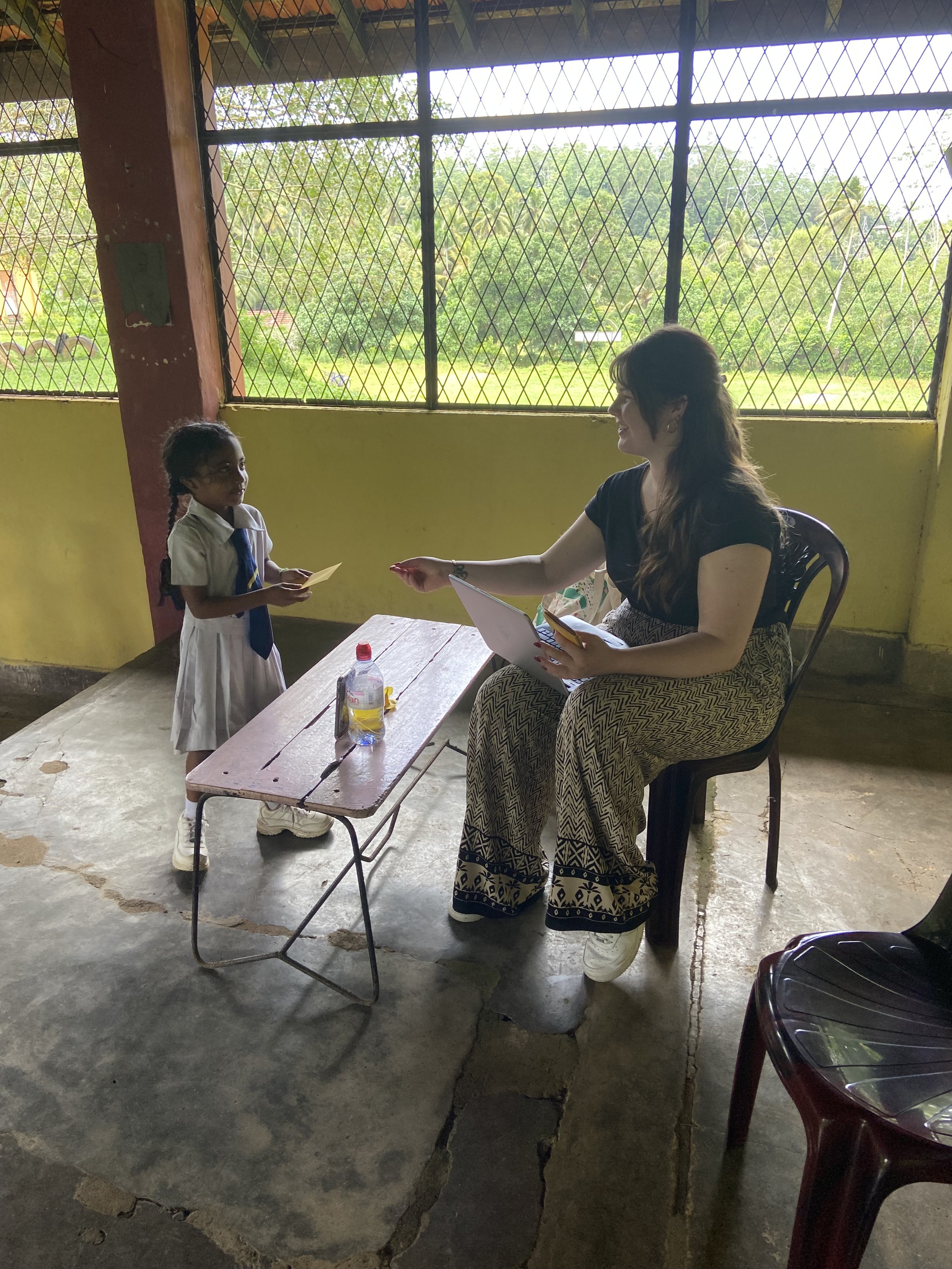
Conducted interviews with parents to better understand their backgrounds and discuss the importance of education for the long-term prospects of their children and their community
We remain committed to carrying out the planned school renovations once the necessary approvals are secured.
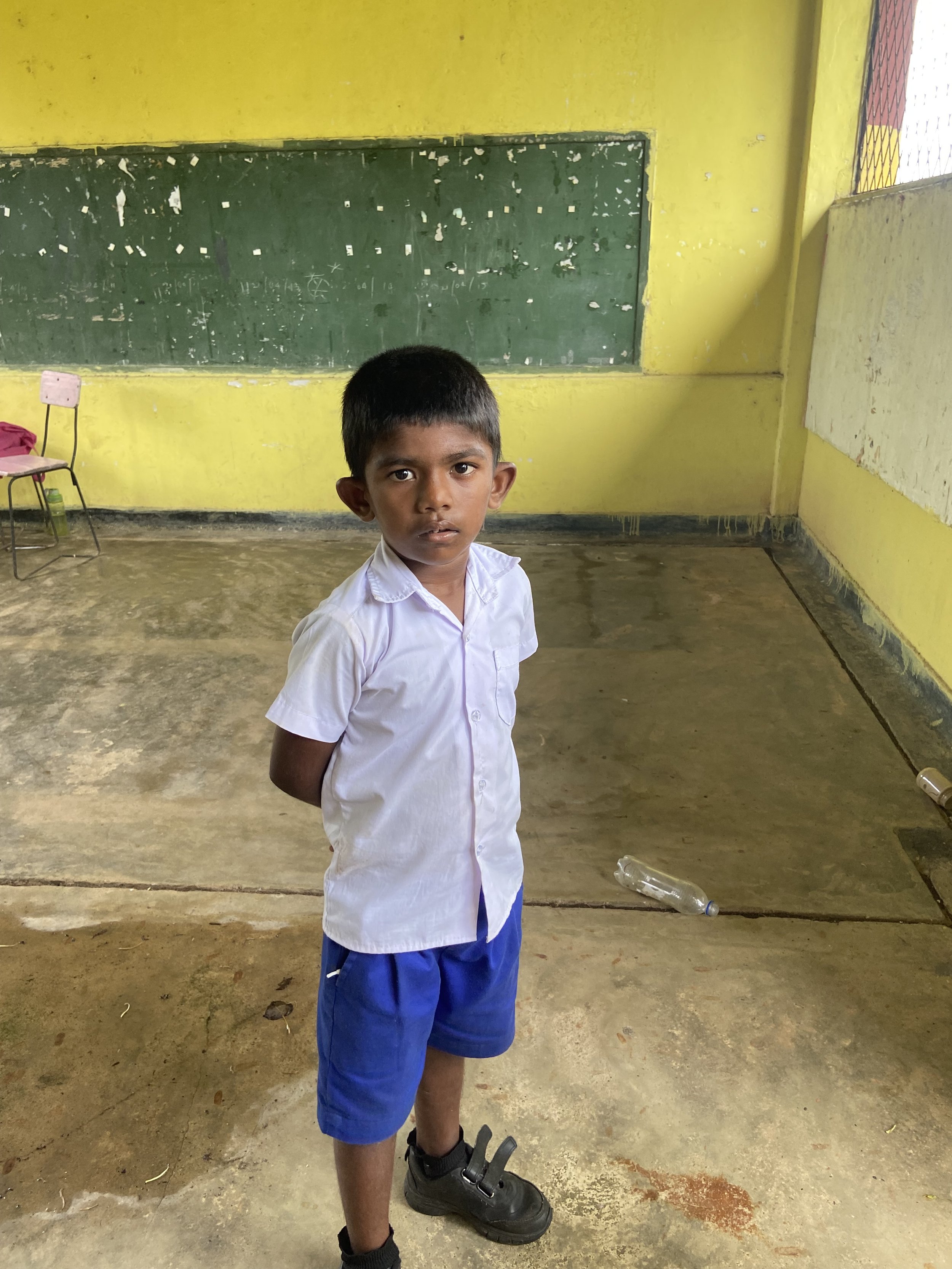



Personal Stories of Our Little Leaders
Would you like to consider donating to this project? Every contribution will directly go to supporting the children of the Panagamuwa Amarasinghe Primary School.
“The beautiful thing about learning is that no one can take it away from you.”
— B.B King